Plant & Origin / Foundational Guide
What is specialty coffee: the definitive guide
For decades, mainstream culture treated coffee as a harsh, bitter utility drink that required spoonfuls of sugar to swallow. Specialty coffee dismantles that misconception, restoring coffee to its true identity: a noble agricultural product of terroir as nuanced, diverse, and captivating as fine wine or extra virgin olive oil.
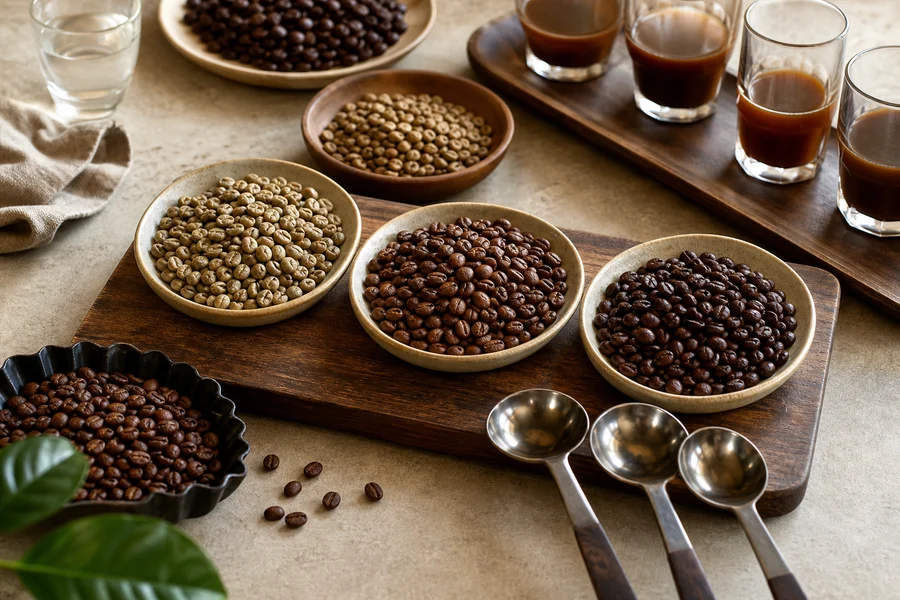
International standards
The objective definition: the SCA protocol and the 80-point rule
The term «specialty coffee» was first coined in 1974 by Erna Knutsen in the Tea & Coffee Trade Journal to describe beans grown in unique geographic microclimates that produced extraordinary flavor profiles.
Today, the Specialty Coffee Association (SCA) maintains a rigorous, globally standardized protocol to evaluate green coffee quality and sensory cup attributes through certified tasters known as Q-Graders:
The 2 non-negotiable requirements for specialty coffee:
- A sensory cupping score of 80 points or higher on a 100-point scale (evaluating fragrance/aroma, flavor, aftertaste, acidity, body, balance, uniformity, clean cup, and sweetness).
- Zero primary defects (no full black beans, sour beans, mold, foreign stones, or severe insect damage) and a strict maximum of 5 secondary defects in a 350-gram green coffee sample.
| SCA Score | Official Classification | Cup Profile & Availability |
|---|---|---|
| 80.00 – 84.99 | Very Good | Clean, well-balanced cup with pleasant acidity, distinct sweetness, and good body. The foundational gateway to traceable single-origin specialty coffee. |
| 85.00 – 89.99 | Excellent | High sensory complexity with distinctive origin flavor profiles (pronounced floral notes, stone fruits, sparkling citrus), vibrant acidity, and lingering aftertaste. |
| 90.00 – 100.00 | Outstanding / Exceptional | World-elite micro-lots, rare botanical varietals (such as Geisha or Eugenioides), and Cup of Excellence auction lots. Represents less than 1% of total global coffee production. |
From seed to cup
The value chain: how quality is crafted across 5 stages
Specialty coffee is not simply manufactured inside a roasting facility; it represents the synchronized craft of dozens of specialists across five critical steps:
Terroir and Botanical Cultivar
Starts with high-elevation Coffea Arabica (>1,000 m.a.s.l.), shade-grown under stable microclimates with mineral-rich soils that slow down cherry maturation.
Selective Hand-Harvesting
Unlike indiscriminate mechanical stripping, trained pickers harvest only fully ripe cherries at peak sugar concentration (Brix levels), rejecting green and overripe fruit.
Controlled Post-Harvest Processing
Washed, natural, honey, and controlled anaerobic fermentations carefully strip or dry the fruit pulp without introducing mold or defective ferment taints.
Artisanal & Respectful Roasting
Master roasters tailor light-to-medium thermal profiles to caramelize natural sucrose and develop organic acids without charring the beans into bitterness.
Precision Brewing & Service
Grinding whole beans immediately before brewing, utilizing balanced water chemistry, and dialing in precise brewing ratios and temperatures.
🌿 Explore botanical varieties: Read our comprehensive guide on Arabica Varietals: Typica, Bourbon, Geisha, and Pacamara.
Direct Contrast
Specialty Coffee vs. Commercial Coffee vs. Torrefacto
Many coffee drinkers grew up drinking heavily charred commodity blends or Spanish-style sugar-roasted torrefacto. This table contrasts why these products belong in completely different universes:
Label transparency
How to read and decode a specialty coffee bag
The label on a bag of specialty coffee functions like a passport. While commodity brands hide provenance behind vague marketing words, specialty bags offer total transparency:
Identifies the geographical terroir, microclimate, and soil conditions providing the baseline cup profile.
Ensures human transparency and direct trade: you know exactly who planted, tended, and picked the harvest.
Plant genetics. Just like grape varietals in wine (Pinot Noir vs. Cabernet), each coffee varietal yields distinct notes.
How the fruit pulp was removed and dried. Washed brings cup clarity; natural adds heavy body and winey fruit.
Higher elevations with colder nights slow cherry maturation, yielding denser beans with higher sugar density.
Inherent aromatic descriptors identified during professional cupping. They are not artificial flavorings!
The crucial indicator of peak freshness. Optimal consumption window is between 10 and 60 days post-roast.
💡 The Golden Rule of Freshness:
Freshly roasted coffee needs 5 to 10 days of degassing to release excess CO₂ and reaches peak sensory flavor between 14 and 45 days post-roast. Learn how to protect your beans in our guide on How to Store Coffee Beans at Home.
First steps
How to start brewing specialty coffee at home without hassle
You do not need a €2,000 espresso machine to enjoy extraordinary specialty coffee. In fact, manual pour-over and immersion filter methods showcase origin fruit and floral notes with far greater clarity:
1. French Press
The most forgiving and accessible brewer. Full immersion brewing with zero paper waste. Accentuates rich body and sweet chocolatey coffees.
French Press Guide →2. AeroPress
The versatile and indestructible brewer. Fast, easy to clean, and extremely forgiving of slight grind discrepancies. Produces clean, rich cups.
AeroPress Guide →3. Hario V60
The gold standard for flavor clarity. Conical gravity filtration highlighting vibrant acidity and delicate, complex floral and citrus notes.
Hario V60 Guide →⚙️ The Only Truly Essential Investment: A Burr Grinder
Buying high-scoring specialty beans and getting them pre-ground is like uncorking a vintage wine and leaving it out for two weeks: it loses 60% of its volatiles within 15 minutes. A manual steel burr grinder is the single most transformative upgrade you can make.
Common questions
Specialty coffee FAQ
Does specialty coffee contain added artificial flavorings or syrups?
No. Specialty coffee certified by SCA standards strictly prohibits synthetic flavor additives. The flavor descriptors printed on bags (like jasmine, blackberry, milk chocolate, or bergamot) are natural organic chemical compounds (esters, aldehydes, ketones) developed naturally inside the cherry and unlocked during roasting.
Why does specialty coffee taste more acidic than commercial coffee?
In specialty coffee, acidity is a prized positive quality comparable to the crisp, refreshing acidity of a ripe green apple or citrus fruit. It stems from natural malic, citric, and phosphoric acids in Arabica beans. Commercial commodity brands incinerate these acids through extreme dark roasts, leaving only flat, charred bitterness.
Is it wrong to add milk or sugar to specialty coffee?
While we encourage tasting the coffee black first to discover its natural sweetness and origin notes, there are no rigid rules: a medium-roast specialty espresso with cocoa and hazelnut notes pairs gloriously with steamed milk (yielding phenomenal Flat Whites or Cappuccinos). However, adding sugar will mask the delicate floral and fruit nuances.
Why does specialty coffee cost more than supermarket coffee?
The price reflects an artisanal, fair supply chain: 100% manual picking of ripe cherries, rigorous sorting with zero primary defects, small-batch roasting, and substantial quality premiums paid directly to farmers far above the volatile New York commodity exchange baseline.
How do I tell genuine specialty coffee apart from "gourmet" marketing claims?
Always look for specific traceability data on the bag: farm or co-op name, botanical varietal, processing method, elevation in m.a.s.l., and crucially, the EXACT ROAST DATE (not a generic 2-year "best before" date). If a package only states "100% Gourmet Arabica" without roast dates or provenance, it is commercial commodity coffee.